Protecting Patients with Credentialing
- threelegends124
- Jun 23, 2025
- 2 min read
In today's complex healthcare environment, patient safety remains a top priority for providers, institutions, and regulators alike. One of the most powerful tools in safeguarding that safety is Healthcare Credentialing Services. These services are essential for ensuring that medical professionals meet the required standards to provide safe, competent, and ethical care.
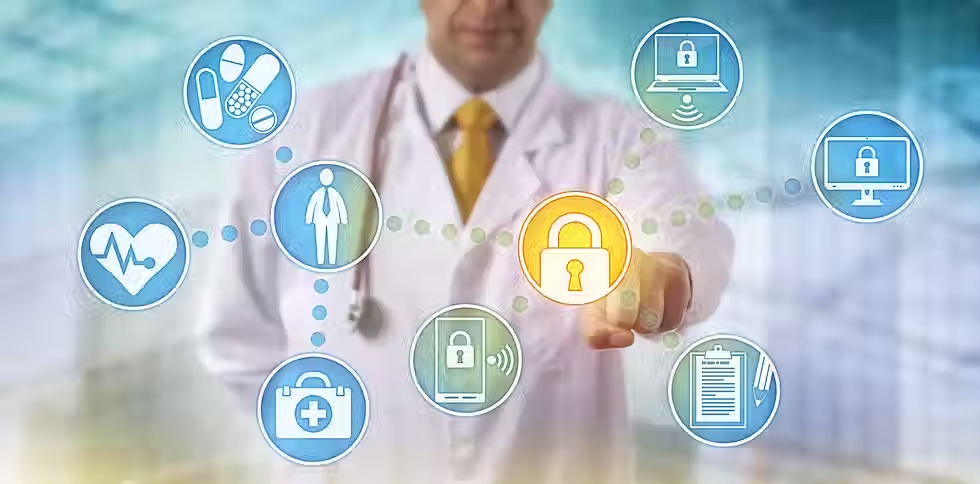
Credentialing involves a meticulous process of verifying healthcare providers' qualifications, including education, licenses, work history, and specialty certifications. When done with accuracy and consistency, it forms a crucial layer of protection for patients, preventing unqualified or under-qualified individuals from delivering care.
Preventing Risks Through Verification
Accurate credentialing reduces the likelihood of medical errors by verifying that only qualified practitioners are permitted to treat patients. This verification process serves as a frontline defense against negligence and malpractice, as it filters out providers who do not meet the stringent standards set by medical boards, licensing bodies, and healthcare organizations.
By ensuring that each professional has the proper background, facilities can build a workforce of competent and trustworthy caregivers.
Enhancing Clinical Accountability
When healthcare professionals know they are being regularly evaluated through credentialing, it fosters a culture of accountability and professionalism. Continuous monitoring ensures providers maintain their qualifications and adhere to ongoing education requirements.
This contributes to a safer care environment, as everyone involved is held to the same standards of excellence and ethical responsibility.
Strengthening Patient Confidence
Patients are more likely to trust healthcare systems that prioritize safety and competence. Accurate credentialing instills confidence, assuring patients that their providers have been thoroughly vetted.
This trust strengthens the overall patient experience and encourages better communication and engagement, which are directly tied to improved outcomes.
Supporting Institutional Compliance
Accurate credentialing doesn’t just benefit patients—it also protects healthcare facilities from legal and financial liabilities. Regulatory organizations such as The Joint Commission and Centers for Medicare & Medicaid Services (CMS) require credentialing for accreditation and participation in insurance networks.
Failing to credential properly can result in penalties, denied claims, or even suspension from payer programs. With rigorous credentialing practices in place, institutions demonstrate a clear commitment to compliance and patient welfare.
Maintaining Efficiency in Risk Management
Credentialing plays a significant role in managing institutional risk. By thoroughly screening each provider, healthcare organizations reduce the chance of litigation due to malpractice or improper care. Additionally, real-time credentialing data ensures swift response to any red flags, such as revoked licenses or legal issues, that could jeopardize patient safety.
To gain a deeper understanding of why it’s critical, you can explore the Top 5 Reasons to Invest in Healthcare Credentialing, which outlines the broader benefits credentialing provides to healthcare institutions.
Final Thoughts
Accurate credentialing is more than a procedural requirement—it is a vital mechanism that directly supports patient safety. Healthcare organizations that invest in high-quality credentialing systems are taking a proactive step toward minimizing risk, maintaining trust, and ensuring excellence in care. For those looking to streamline the process while improving overall compliance, partnering with an experienced Medical Billing Services provider can be a strategic move toward operational and clinical success.


Comments